Ayns y feedoo cheead-blein va’n chenn Ghaelg loayrit fo raad y vaaish. Va’n Cheshaght Ghailckagh currit er bun ayns 1899, agh va baarney eddyr ny olteynyn smoo ollooagh va g’eearree sauail as chymsaghey yn Ghailck scruit as adsyn va g’eearree loayrt yn chengey as cur tushtey my-y-kione da feallagh aegey. Va’n Ghaelg Vanninagh ayns feme jeh ny-neesht jeu.
In the twentieth century the old spoken Manx was dying out. The Manx Language Society was founded in 1899, but there was a gap between the more academic members who wanted to collect and save the written Manx and those who wanted to speak the language and pass on the knowledge of it to young people.
Ec toshiaght y cheead-blein va’n chooid smoo dy Ghaelgeyryn dooie shenn, as cha row ad son g’ynsaghey yn chengey da nyn baitchyn- cha row ee ymmydoil ayns ny laghyn shen – cha row ee ymmydoil son cosney aght-beaghee, er-lheh ayns ny baljyn. Cha row ny Gaelgeyryn eer arryltagh ny keayrtyn goaill rish dy row Gaelg oc. Va’n chooid smoo dy leih gra dy beagh eh ny share lhiggey’n raad da’n chengey geddyn baase – she chengey da boddee ny lomarcan v’ee. As dagh blein va’n earroo jeu g’aase ny sloo derrey’n vlein 1974 tra hooar Ned Maddrell, yn shenn Ghaelgeyr dooie s’jerree, baase.
At the start of the century the majority of native Manx speakers were old, and they wouldn’t teach the language to their children – it wasn’t useful in those days – not useful for earning a living, especially in the towns. The Manx speakers were sometimes not even willing to admit that they had Manx. Most people said it would be better to let the language die – it was only a peasant language. And each year the number of speakers was growing less until in the year 1974 the last old native Manx speaker Ned Maddrell died.
Agh, eer ayns y lhing tra va’n Ghaelg goll sheese y lurgagh cho tappee, va feallagh aegey ayn va graihagh er yn chengey as nyn eiraght. Cha row monney jeu agh va’n jeeanid oc niartal. Ny keayrtyn cha row Gaelg erbee oc as v’eh orroo g’ynsaghey ayns brastyllyn ny g’ynsaghey ee daue-hene, Keayrtyn elley va oltey nyn lught-thie ny carrey daue va loayrt Gaelg as va’n drilleen foaddit. ‘Sy traa soccar oc, v’ad stravaigey er y cheer, shirrey er loayrtee ghooie, ny loayrtagh elley erbee veagh arryltagh dy loayrt roo. Son y chooid smoo v’ad jannoo ymmyd jeh nyn roar, er y fa nagh row monney gleayshtanyn mygeayrt ‘sy chied ayrn jeh’n cheead-blein as v’ad ro gheyr. Ny s’anmey haink eh dy ve ny s’assey troailt mygeayrt y cheer agh cha row loayrtee ghooie er mayrn as v’eh er dagh studeyr ny Gaelgey g’ynsaghey voish sleih shinney as adsyn v’er n’ynsaghey roie, ny keayrtyn voish ny loayrtee ghooie. As er yn aght shen ta’n Ghaelg Vanninagh foast bio as lane dy vishaghey – trooid recortyssyn, fillymyn, arraneys, brastyllyn, lioaryn, as nish t’ee ry-chlashtyn feiy ny cruinney trooid yn eddyr-lieen.
But, even in the era when Manx was going downhill so rapidly, there were young people who loved the language and their heritage. There weren’t many of them but their fervour was strong. Sometimes they had no Manx and they had to learn in classes or teach themselves. Other times there was a member of their family or a friend who spoke Manx and the spark was kindled. In their leisure time they would wander round the country, seeking out native speakers, or any speaker who was willing to speak with them. For the most part they made use of their bicycle, because there weren’t many cars about in the first part of the century and they were too dear. Later, it became easier to travel round the country but there weren’t any native speakers left and each student of Manx had to learn from older people who had learned before, sometimes from the native speakers. And in that way Manx Gaelic is still alive and flourishing – through recordings, films, song, classes, books, and now it’s to be heard worldwide on the internet.
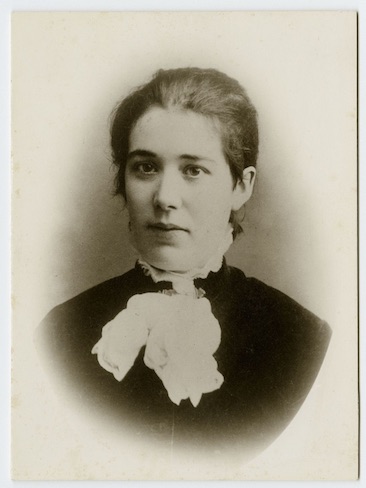
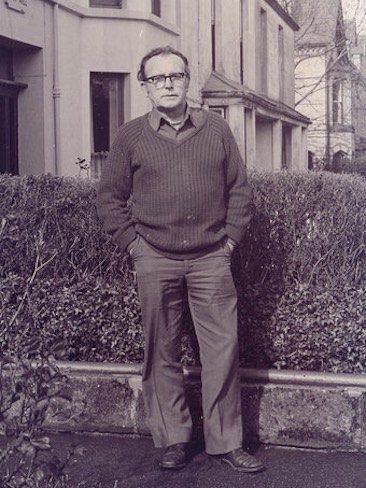
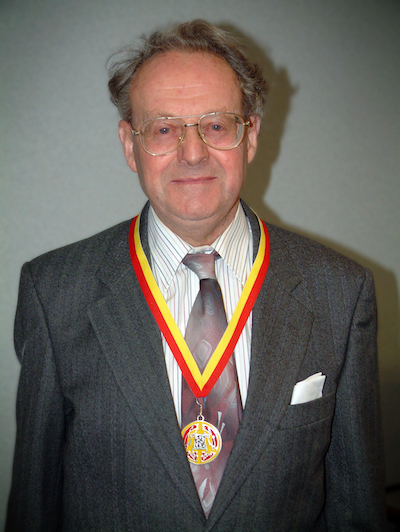
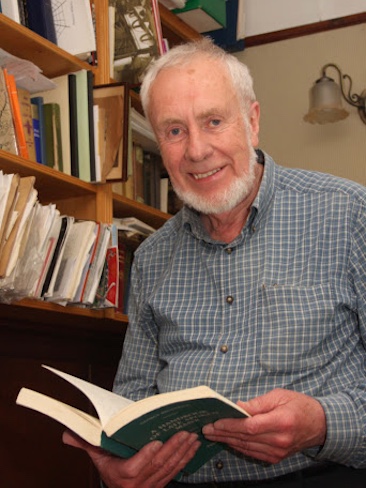
Ad shoh skeealyn jeh kuse dy Ghaelgeyryn va gialdit da’n chengey va g’obbraghey trooid nyn mea cour bishaghey tushtey ny Gaelgey.
Dy voddey beayn y Ghaelg! Gyn chengey, gyn cheer.
These are the stories of some of the Manx speakers loyal to the language, who worked throughout their lives to increase knowledge of Manx Gaelic.
Long live Manx Gaelic! No language, no country.